
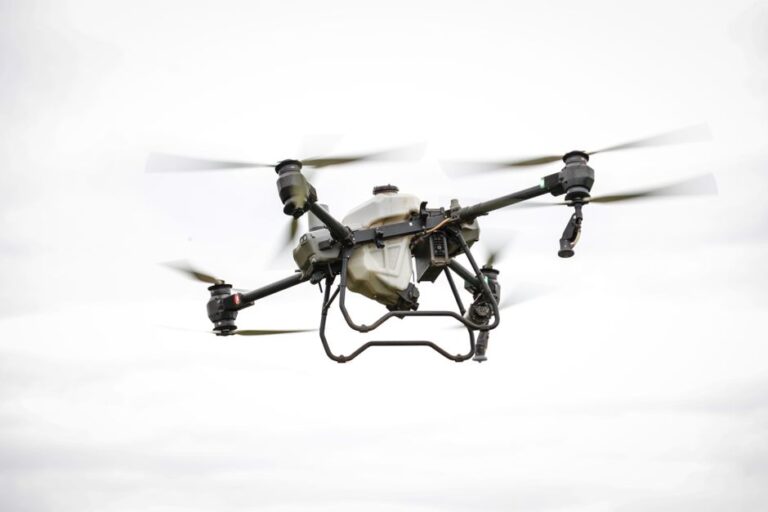
Introduction to Drone Technology in Bridge Inspections
The use of drones has revolutionized many industries, and bridge structural surveying is no exception. Traditionally, bridge inspections involved manual assessments that were time-consuming, costly, and sometimes hazardous. Today, the integration of drones for bridge surveys provides an innovative solution that enhances safety, efficiency, and accuracy. These unmanned aerial vehicles (UAVs) enable inspectors to access hard-to-reach areas without the need for scaffolding or lane closures, thus minimizing disruption to traffic and reducing risk to personnel.
Advantages of Using Drones for Bridge Surveys
One of the primary benefits of employing drones for bridge surveys is their ability to capture high-resolution images and videos from multiple angles and elevations. This capability significantly improves the quality of data collected during inspections. Additionally, drones can be equipped with various sensors, such as thermal cameras and LiDAR, which provide detailed information on structural integrity beyond what is visible to the naked eye.
- Improved safety by reducing the need for inspectors to physically access dangerous locations.
- Cost-effectiveness through decreased labor and equipment expenses compared to traditional methods.
- Faster data collection allowing for more frequent inspections and early detection of potential issues.
- Comprehensive documentation with precise geotagged images aiding in long-term maintenance planning.
Types of Drones Used in Bridge Structural Surveying
Several types of aerial vehicles are deployed for bridge inspection tasks, each offering unique capabilities:
- Surveillance drones — typically equipped with high-definition cameras for visual monitoring.
- Commercial drones — designed for professional-grade inspections, often outfitted with advanced imaging sensors.
- Specialized UAVs capable of carrying payloads such as gas detectors or ultrasonic testing instruments for enhanced diagnostic assessments.
Distinguishing between UAV vs drone often comes down to terminology; while UAV refers specifically to the vehicle itself, the term drone is more commonly used in industry and public discourse to describe these flying devices.
Applications and Techniques in Drone Inspection
Drone inspection extends beyond simple visual assessment. With the integration of sophisticated technology, drones can conduct detailed drone utility inspection to evaluate the condition of cables, joints, and other structural components. Techniques include photogrammetry for creating 3D models, thermal imaging to detect heat anomalies indicating material fatigue or water ingress, and LiDAR mapping for precise surface profiling.
These technologies enable engineers to detect cracks, corrosion, and other defects early, facilitating timely maintenance and preventing catastrophic failures.
Challenges and Considerations for Drone Security and Operation
While drones offer numerous benefits, their use in bridge structural surveying requires careful attention to operational security and regulatory compliance. Drone security involves protecting data integrity during transmission and storage, as well as ensuring the UAVs themselves are secure from hacking or unauthorized use. Additionally, operators must adhere to local aviation laws, including flight restrictions near populated areas and infrastructure.
Training and certification of drone pilots are critical to ensure safe and effective survey missions. Environmental factors such as weather conditions and electromagnetic interference must also be considered to avoid compromising data quality or risking drone failure.
Future Prospects of Drone Use in Infrastructure Monitoring
As technology advances, the role of drones in bridge structural surveying is expected to expand. Integration with artificial intelligence and machine learning could enable automated defect detection and predictive maintenance models. Enhanced sensor payloads will improve diagnostic capabilities, while swarm drone technology may allow simultaneous inspection of large or complex structures.
Overall, drones represent a transformative tool in infrastructure management, combining safety, efficiency, and precision to support the longevity and reliability of critical bridge networks.